9 Months Old Svg: A Designer’s Review
As a designer who spends half my day in embroidery software and the other half prepping orders for my own small shop, I don’t just look at a design file; I look at how it will behave on fabric. When I first pulled up the 9 Months Old Svg, I didn’t just see a cute milestone graphic. I saw a potential bestseller for the upcoming baby season, but I also immediately started asking the hard questions that separate a hobbyist from a professional maker. Would this stitch cleanly? Would it hold up after twenty washes? And most importantly, would it feel like a premium product to the customer holding it?
This review is based on my practical experience evaluating digital assets for real-world application. If you are an Etsy seller, a craft fair vendor, or a boutique owner looking to add personalized gifts to your inventory, read on to see how this design holds up under scrutiny.
First Impressions and Visual Personality
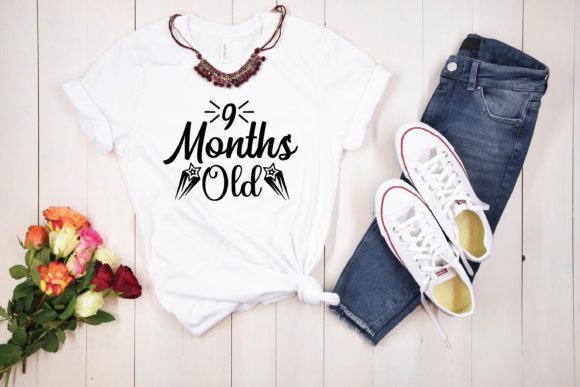
The moment you open the file, the mood is clear. This isn’t a chaotic, overly busy design trying to grab attention with noise. It has a clean, celebratory energy that fits perfectly into the "milestone" category we all know sells so well. The layout feels balanced, which is crucial because when you convert a vector into an embroidery file, every curve and line has to translate into thread tension and movement.
Visually, the design strikes a balance between playful and elegant. It creates a sense of warmth and nostalgia before a single stitch is placed. For those of us creating T-Shirt Designs or nursery decor, this kind of visual clarity is gold. It doesn’t rely on tiny, intricate details that might get lost in the stitching process. Instead, it uses strong shapes and readable elements, which suggests that the final finished product will have high visual impact even from a distance. This is exactly what you want for a handmade product meant to be gifted.
Real-World Application: From Screen to Stitch
I recently tested this concept on a custom order for a client who wanted a special keepsake for her nephew’s upcoming birthday. She wasn’t looking for anything generic; she wanted something that felt personal and high-quality. Here is how I evaluated the 9 Months Old Svg for various common use cases:
- Baby Clothes and Bodysuits: The scale of this design works beautifully on the chest area of infant apparel. Because it is designed as a baby embroidery piece, it avoids being too overwhelming on small garments. It looks intentional and curated, not like a sticker slapped on cheap fabric.
- Tote Bags and Canvas Totes: One of my favorite ways to use milestone designs is on sturdy canvas tote bags. The structure of the design holds up well against the heavy texture of canvas. When paired with a contrasting thread color, it becomes a functional piece of art that parents actually want to carry.
- Sweatshirt Embroidery: For older siblings or parents celebrating the milestone, this design translates well to sweatshirts. The boldness of the graphic ensures it stands out against the fleece texture, making it a great choice for family matching sets.
- Applique Design Possibilities: While this is primarily a graphic, its clean lines make it a perfect candidate for an applique design. If you are feeling fancy, you could cut out the main shape from a contrasting fabric and stitch it down, adding a layer of dimension that elevates the perceived value of the item.
The versatility here is key. Whether you are creating a personalized gift for a close friend or producing a batch of items for an Etsy seller listing, this design adapts easily to different mediums without losing its charm.
Technical Considerations and Potential Pitfalls
No design is perfect, and as a reviewer, I need to be honest about where things can go wrong. Even a beautiful design asset can fail if the execution isn't right. Here is where you need to be careful with the 9 Months Old Svg.
First, consider the stitch density. If you are using this on a machine that struggles with dense fills, you might end up with puckering, especially on thinner fabrics. Always check the stabilizer requirements. For lightweight tees, you will likely need a tear-away stabilizer, while heavier items like aprons might require cut-away for longevity.
Another critical factor is the hoop size. Ensure your machine’s hoop can accommodate the full width of the design without cutting off any edges. If you are placing this on a curved surface, such as a cap or a hat, you will need to adjust the placement carefully. Curved surfaces can distort straight lines, so testing on a scrap piece of similar material is non-negotiable.
Also, think about thread colors. This design relies on contrast. If you are embroidering on dark fabric, you must choose light threads, and vice versa. Poor contrast makes the design look muddy and unprofessional. I recommend testing your thread choices in black and white mockups to ensure the shapes remain distinct.
Where to Use With Caution
While this design is versatile, there are specific scenarios where it might not perform as well:
- Small Hoop Sizes: If you are working with very limited hoop space, the fine details might get crowded. Check the dimensions before committing to a small garment.
- Textured Fabrics: Heavily textured materials like chunky knits or bouclé can hide the definition of the stitches. For the clearest result, stick to smooth cottons, linens, or blends.
- Dense Stitch Areas: If the design includes large solid blocks of color, ensure your machine can handle the needle penetration. Too much density can lead to thread breaks or skipped stitches.
Impact on Brand and Customer Trust
In the world of craft business and small shop products, presentation is everything. Customers can often tell the difference between a mass-produced item and one made with care. A well-executed embroidery project like this one signals professionalism. It shows that you paid attention to detail, from the digitizing to the finishing touches.
When a customer receives a custom apparel item with crisp, clean stitching, their trust in your brand increases. They are more likely to leave a positive review, share a photo on social media, and return for future purchases. The 9 Months Old Svg, when stitched correctly, contributes to that premium feel. It turns a simple t-shirt or tote bag into a cherished memory keeper.
Furthermore, for those selling digital embroidery files or printable mockups, having a strong, recognizable design helps your shop stand out. It gives buyers confidence that they are purchasing a design that is proven to work well in production.
Final Verdict and Practical Tips
After putting the 9 Months Old Svg through its paces, my conclusion is positive. It is a reliable, visually appealing design that serves the needs of both personal creators and commercial sellers. It hits the sweet spot of being cute without being childish, and detailed enough to look professional without being difficult to stitch.
To get the best results, remember these final tips:
- Test First: Always run a test stitch on scrap fabric to check tension and alignment.
- Check Licensing: Before you start selling finished items, confirm the licensing terms for commercial use. This ensures your commercial embroidery activities are protected.
- Focus on Finishing: Clean up loose threads and press your garment properly. The difference between good and great is often in the finishing.
- Vary Your Threads: Don’t be afraid to experiment with metallic or variegated threads to give the design a unique twist.
If you are looking to expand your offerings in the baby and milestone market, this design is a solid addition to your library. It is versatile, attractive, and, most importantly, it delivers a quality result that customers appreciate. Whether you are making a single personalized gift or scaling up for holiday embroidery sales, the 9 Months Old Svg provides a strong foundation for success.