Our Love Story is My Favorite Svg Review
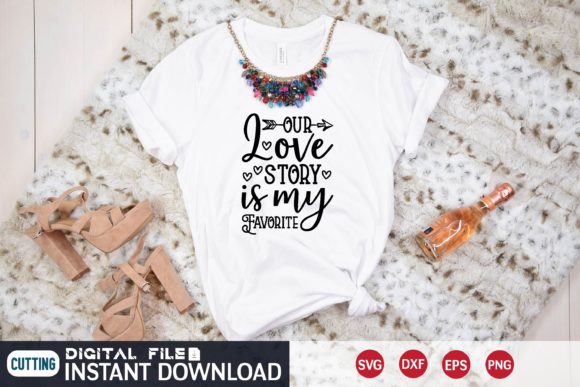
As a designer who spends more time than I care to admit staring at stitch density charts and fabric swatches, I have learned that the difference between a good handmade product and a great one often comes down to the design file itself. When evaluating an embroidery project, I am not just looking for something that looks nice on a screen; I need to know how it translates into thread, how it sits on the body, and whether it holds up to the wear and tear of daily life. Recently, I took a close look at Our Love Story is My Favorite Svg, a design marketed as a versatile cutting file compatible with machines like Cricut and Silhouette. While originally positioned under T-Shirt Designs and Graphics, its potential extends far beyond simple vinyl transfers. This review explores how this specific design performs when brought into the realm of real-world embroidery, particularly for those of us running small shops or creating high-end personalized gifts.
First Impressions: Mood and Visual Personality
The immediate appeal of Our Love Story is My Favorite Svg lies in its emotional resonance. In a market saturated with generic quotes and overly complex floral arrangements, there is a distinct comfort in straightforward, heartfelt messaging. The phrase itself suggests intimacy and personal history, which naturally lends itself to products meant to be kept rather than discarded. From a layout perspective, the text-based nature of the design offers a clean canvas that can adapt to various garment placements without feeling cluttered.
When I first imported the file into my digitizing software, the visual weight felt balanced. It does not scream for attention but rather invites the viewer in. For a boutique owner or an Etsy seller, this subtlety is crucial. It allows the craftsmanship—the quality of the stitching and the choice of fabric—to shine alongside the message. The design feels appropriate for a wide demographic, making it suitable for men, women, and kids, which broadens its commercial viability. However, the true test for any machine embroidery design is not how it looks in vector form, but how it behaves when pulled tight by needles and threads.
Real-World Application: Where This Design Shines
In my experience, text-heavy designs perform exceptionally well on structured fabrics where stability is key. I envision Our Love Story is My Favorite Svg excelling on custom sweatshirts and heavy cotton t-shirts. The slight texture of these materials provides a perfect backdrop for the thread, allowing the stitches to pop without sinking in. For a holiday gift or a wedding present, placing this design on the back of a crewneck or centered on the chest of a polo shirt creates a sophisticated, understated look that customers love.
Beyond apparel, this design has strong potential for home decor and accessories. I tested the concept mentally on a sturdy canvas tote bag. A centered placement could turn a plain bag into a sentimental keepsake. Similarly, on kitchen towels or aprons, the design adds a touch of warmth to domestic spaces. For baby items, such as muslin blankets or onesies, the softness associated with the phrase pairs well with the gentle finish of fine thread work. It is important to note that while the source file is described as a cutting graphic, converting this into an embroidery file requires careful attention to letter spacing and stitch type to ensure readability.
The versatility of this design also makes it ideal for embroidered patches. Whether attached to denim jackets, backpacks, or caps, the clear typography ensures that the message remains legible even from a distance. For craft fair products, having a design that works across multiple categories—from custom apparel to personalized gifts—is a significant advantage for inventory management and marketing consistency.
Technical Considerations and Potential Pitfalls
While the aesthetic is strong, every designer knows that execution is everything. There are specific scenarios where Our Love Story is My Favorite Svg requires caution. First, consider the hoop size. If the design is scaled down too much for a small hoop, the individual letters may become cramped, leading to a muddy appearance where stitches overlap uncomfortably. Always check the hoop size requirements before finalizing your production run.
Fabric choice is equally critical. Textured fabrics, such as bouclé or heavy waffle knits, can distort the outline of the letters, making them difficult to read. Thin or stretchy fabrics, like certain synthetics used in athletic wear, require a robust stabilizer to prevent puckering. Without proper support, the tension of the fill stitch or satin stitch can pull the fabric out of shape, ruining the professional finish. Additionally, dark fabrics demand high-contrast thread colors. If the design relies on subtle shading or light threads against a dark background, it may lack the impact needed for a premium product.
Another area to watch is the curvature of the surface. Applying this design to a cap or a curved hat panel can cause distortion if not digitized correctly. The letters may appear stretched or skewed, which detracts from the clean look intended by the original graphic. For detailed corners or tiny lettering within the design, inspecting the output in black and white mockups can help identify areas where detail might be lost during the stitching process.
Stitch Density and Thread Selection
The stitch density of the design will dictate its durability and visual clarity. High-density areas can feel stiff and uncomfortable against the skin, which is a concern for baby clothes or frequently washed items. Conversely, low-density areas might show the fabric through, reducing opacity. I recommend experimenting with different thread colors to find the best contrast. Metallic threads can add luxury to a wedding gift, while matte cotton threads offer a rustic, handmade charm for bohemian-style products.
Practical Advice for Designers and Sellers
Before committing to a large batch of production, always test the design on scrap fabric that matches the final product’s weight and texture. This step is non-negotiable for maintaining brand consistency and customer trust. Check the embroidery file for any unnecessary jumps or trims that could slow down production or create weak points in the design.
- Test Stitch Out: Run the design on your actual machine to check for tension issues and thread breaks.
- Verify Licensing: Confirm whether you have the rights to sell finished products made with this design, especially if you are using it for commercial embroidery.
- Use Proper Stabilizer: Match the stabilizer to the fabric type to prevent distortion and ensure longevity.
- Inspect Details: Zoom in on the digital preview to ensure all elements are clear and properly spaced.
- Create Mockups: Use printable mockups to visualize the design on different garments before investing in materials.
Ultimately, Our Love Story is My Favorite Svg is a solid foundation for a variety of handmade products. Its strength lies in its emotional connection and adaptability. By paying close attention to technical details like stitch density, fabric choice, and stabilization, designers and small shop owners can transform this simple graphic into a cherished item. Whether you are creating a unique personalized gift or building a line of boutique branding merchandise, this design offers a reliable path to creating professional, engaging, and meaningful embroidery projects.