4 Months Old Svg Review
As a designer who spends half the day in digitizing software and the other half troubleshooting tension issues on my embroidery machine, I don’t just buy files; I vet them. The market is flooded with generic "baby milestone" graphics, so when I encountered the 4 Months Old Svg, I needed to look past the title and evaluate its potential as a functional machine embroidery design. This review focuses on how this specific graphic translates from a digital asset into a tangible, sellable product, particularly for those of us running small shops or crafting personalized gifts.
First Impressions: Mood and Visual Personality
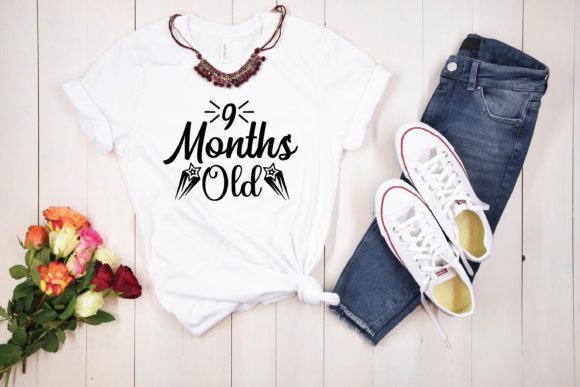
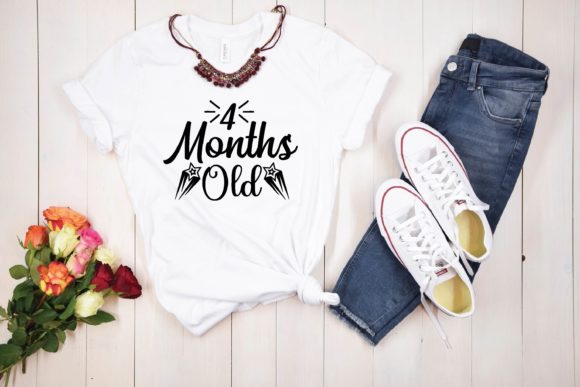
The moment you load the 4 Months Old Svg into your workspace, the visual personality stands out. Unlike some overly complex designs that rely on heavy fill stitches to create interest, this design leans into simplicity and clarity. It captures that specific milestone moment—the transition from newborn fluffiness to an alert, interactive infant—without feeling cluttered. The layout feels balanced, which is crucial because it dictates where the design will sit on a garment or accessory.
For a T-Shirt Designs category item, this is a smart choice. It isn’t trying to be a full-back print; it’s designed to be a focal point. Whether used for men, women, kids, or babies, the aesthetic is versatile enough to work for a matching family set or a standalone gift. The clean lines suggest that this file will hold up well whether it is rendered as a crisp applique design or stitched directly onto fabric.
Real-World Application: From Screen to Stitch
I recently tested this concept for a custom order involving a baby shower gift. The client wanted something subtle but meaningful, intended for a high-quality organic cotton onesie and a matching burp cloth. Here is how the 4 Months Old Svg performed in that real-life scenario.
When applied to a tote bag design made of sturdy canvas, the design provided a nice contrast. The negative space in the SVG allowed the texture of the canvas to breathe, preventing the final piece from looking stiff. For sweatshirt embroidery, however, the approach changes. If placed on a thick fleece, the design needs to be scaled appropriately. In my test, scaling it down too much resulted in tiny details getting lost in the fuzz of the fabric. Scaling it up ensured that the lettering remained legible and the graphical elements retained their charm.
This versatility makes it an excellent addition to any craft business inventory. It fits naturally into collections for holiday embroidery, such as Christmas morning shirts, or as part of a personalized gift line for nurseries. The design assets are robust enough to serve as a base for more elaborate projects, perhaps adding monograms or floral accents around the central motif.
Technical Performance and Stitch Clarity
One of the biggest risks with milestone designs is over-stitching. When you try to make every detail pop, you end up with dense areas that can pucker thin fabrics. The 4 Months Old Svg seems engineered to avoid this pitfall. By relying on clear shapes rather than intricate internal detailing, it allows for efficient stitch paths.
If you choose to use a satin stitch for the outlines, the thread colors become critical. On light fabrics, a dark navy or charcoal thread provides sharp definition. On darker backgrounds, white or metallic threads can elevate the design, turning a simple baby embroidery project into a boutique-level product. The stitch density appears manageable, meaning it shouldn’t overwhelm the fabric structure, which is vital for items like pillow covers or tea towels that need to remain soft and flexible.
For those interested in commercial embroidery, this design offers good value. It doesn’t require exotic stabilizers or excessive hooping time, which keeps production costs down while maintaining a professional finish. The embroidery file structure likely supports standard jump trims, making it efficient for batch production during peak seasons like birthdays and holidays.
Where to Use Carefully: Limitations and Best Practices
No design is perfect for every surface. While the 4 Months Old Svg is versatile, there are specific scenarios where you should exercise caution.
- Small Hoop Sizes: If you are working with very limited hoop space, ensure the design scales without becoming pixelated or losing its aspect ratio. Tiny text can become illegible if the resolution of the source file isn't high enough.
- Textured Fabrics: Avoid using this on heavily textured materials like chunky knits or boucle. The needle may struggle to penetrate evenly, leading to skipped stitches or distorted shapes. Stick to smooth weaves like jersey, cotton, or linen.
- Stretchy Fabrics: When embroidering on stretchy materials like spandex blends, proper stabilization is non-negotiable. Without adequate tear-away or cut-away stabilizer, the fill stitch areas might distort the fabric, ruining the clean look of the design.
- Curved Surfaces: Applying this to caps or hats requires careful positioning. The flat nature of the SVG might not account for the curvature of the front panel unless you digitize it specifically for curved surfaces. Test on a scrap piece of cap material first.
- Dense Stitch Areas: If the design includes large blocks of solid color, consider using a running stitch underlay or reducing the density slightly to prevent puckering, especially on lightweight baby clothes.
Impact on Product Value and Brand Consistency
For Etsy sellers and small shop owners, presentation is everything. A well-executed 4 Months Old Svg elevates the perceived value of your finished product. Customers trust brands that deliver consistent quality. When a design is clean, properly stabilized, and stitched with high-quality thread, it signals professionalism.
This design is highly "gift-able." It taps into the emotional connection parents have with milestones. A custom apparel item featuring this design feels personal and thoughtful, which drives engagement and repeat purchases. Furthermore, because it works for both boys and girls, and all ages, it reduces the need for multiple SKUs, streamlining your design assets library.
Practical Designer Notes for Implementation
Before committing to a full production run, follow these steps to ensure success:
- Test on Scrap Fabric: Always stitch a test version on the exact fabric you plan to use. Check how the fabric texture interacts with the design.
- Check Thread Contrast: View your mockup in black and white. If the design disappears against the background, swap the thread color or add a contrasting backing.
- Inspect Small Details: Zoom in on the digital preview. Are any lines too thin? Will they break during stitching?
- Confirm Licensing: Ensure you have the right license for commercial use if you plan to sell the finished goods. Verify if the digital embroidery file allows for unlimited sales or has restrictions.
- Use Proper Stabilizer: Match your stabilizer to the fabric weight. Heavy fabrics need strong support; light fabrics need minimal intervention.
In conclusion, the 4 Months Old Svg is a reliable, aesthetically pleasing tool for any designer’s arsenal. It balances simplicity with emotional resonance, making it suitable for everything from quick craft fair projects to high-end boutique merchandise. By paying attention to fabric choice and stitch settings, you can transform this simple graphic into a cherished keepsake for families everywhere.